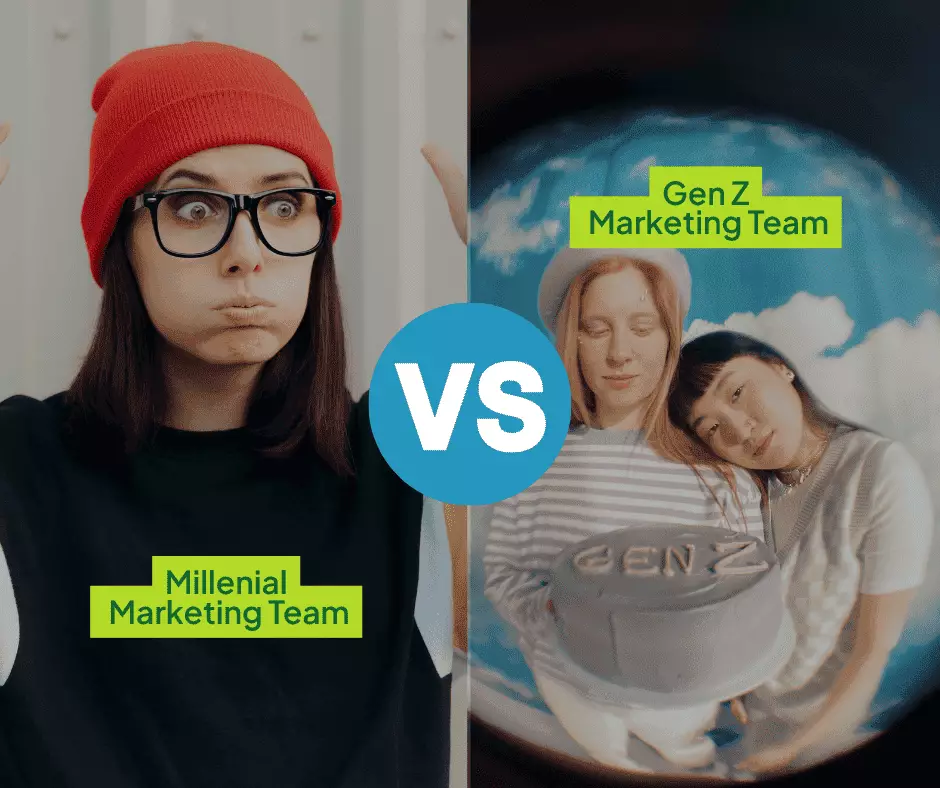
The millennial version often features polished visuals, complete sentences, clear explanations, and carefully structured messaging. The Gen Z version tends to be shorter, faster, more ironic, visually chaotic, and intentionally informal.
At first glance, the trend feels like harmless internet humour. In reality, it reflects a much larger shift in how audiences consume content and how businesses are adapting their communication strategies online.
The popularity of this format says a great deal about modern consumer behaviour, shrinking attention windows, digital culture, and the growing pressure for brands to appear culturally aware.
Marketing Has Shifted From Presentation to Immediate Connection
Traditional advertising focused heavily on presentation. Brands refined their messaging carefully and aimed to project professionalism, consistency, and authority.Social media changed that dynamic significantly.
Modern audiences encounter hundreds of posts, videos, captions, and advertisements every day. Most users decide within seconds whether content deserves their attention. This environment rewards familiarity and emotional recognition much faster than polished corporate language.
The “Millennial vs Gen Z Marketing” format succeeds because viewers immediately understand the joke. The audience recognises the stereotypes without needing explanation, which creates instant engagement.
That speed matters in digital marketing today.
Gen Z Content Reflects Platform Behaviour
Many businesses misunderstand Gen Z marketing by reducing it to slang, lowercase captions, or random humour. The deeper reality is that Gen Z communication styles are heavily shaped by platform behaviour.Younger audiences grew up inside fast-moving digital environments where information appears continuously and trends evolve rapidly. They are highly accustomed to processing fragmented content across TikTok, Instagram Reels, YouTube Shorts, livestreams, and comment sections.
As a result, communication online has become more compressed, visual, and emotionally driven.
Brands responding to this shift often simplify messaging, reduce formal structures, and prioritise personality over polished advertising language. Casual communication feels familiar because it mirrors how users already interact with each other online.
Millennials Still Influence Purchasing Decisions Strongly
While Gen Z dominates many online conversations, millennials continue holding substantial purchasing power across industries.Many millennials are now business owners, parents, homeowners, managers, and decision-makers. They often respond well to detailed information, trust-building content, and structured communication because they experienced the earlier internet era where blogs, long-form captions, and informative marketing were more common.
This creates an important balancing act for businesses.
Brands cannot rely entirely on trend-based communication if they want long-term customer trust. Audiences still value clarity, credibility, and consistency, especially when making important purchasing decisions.
The strongest marketing strategies recognise that different audience groups consume information differently depending on both age and platform habits.
The Trend Reveals Growing Pressure on Brands
One reason this format spread so quickly is that businesses are under increasing pressure to stay culturally relevant online.Internet culture moves rapidly, and audiences quickly notice when a brand feels disconnected from current digital behaviour. Companies now compete inside environments where trends can rise and disappear within days.
This creates operational challenges for marketing teams.
Content production requires faster turnaround times, ongoing awareness of trends, platform-specific formatting, audience analysis, and constant adaptation. Many businesses struggle to maintain that pace consistently with limited internal resources.
As a result, brands are becoming more reactive in how they approach communication. They are observing internet behaviour closely and adjusting tone, visuals, and content structures in real time.
Audiences Want Human Communication
One of the clearest lessons from this trend is that audiences increasingly respond to communication that feels human.Consumers are highly skilled at recognising overly manufactured content. Social media users spend large portions of their day interacting with creators, friends, influencers, and communities that communicate casually and directly. Highly scripted advertising often feels distant in comparison.
This does not mean professionalism has disappeared from marketing. It means audiences now expect brands to communicate with greater awareness of digital culture and human behaviour.
Humour, relatability, timing, and conversational tone all play significant roles in visibility and engagement today.
At the same time, successful brands still maintain clear messaging and strategic consistency underneath the surface.
Good Marketing Requires Adaptability and Structure
The “Millennial vs Gen Z Marketing” trend may eventually fade like most social media formats. The broader shift behind it will likely continue influencing digital marketing for years.Businesses now operate in environments where communication styles evolve quickly and audience expectations change constantly. Strong marketing requires both adaptability and operational consistency across platforms.
This is where many businesses encounter difficulty. Maintaining content schedules, campaign execution, SEO tasks, reporting, social media management, and creative production simultaneously can become difficult without reliable support systems.
Marketing success today depends heavily on execution speed, consistency, and audience understanding.
Supporting Modern Marketing Demands
As digital communication continues evolving, businesses need marketing support that can adapt alongside changing consumer behaviour and platform trends.Marketing Assistants support businesses through content creation, SEO, social media management, campaign coordination, and digital marketing operations that help brands maintain consistency in fast-moving online environments.
Effective marketing today depends on understanding how audiences engage with content, how platforms influence behaviour, and how businesses can communicate clearly while remaining culturally aware. Contact us now and book a free consultation!